
The Ritual of Less: Why Washing Less Supports Stronger, Healthier Hair

For decades, modern hair care has been shaped by a single assumption: that frequent washing equals cleanliness, health, and control. Yet as scalp concerns increase — sensitivity, breakage, thinning, and slow growth — it is becoming increasingly clear that many routines are not supportive, but excessive.
At V&M SPA, we believe true care is not about doing more. It is about doing what is necessary — and stopping there. Washing less, when done with intention and the right formulations, allows the scalp to restore balance, the hair fibre to strengthen, and natural protective systems to function as designed.
This is not about neglect. It is about restraint, discipline, and understanding how hair and scalp biology respond over time.
Understanding the Scalp as Living Skin
The scalp is not simply the foundation for hair growth. It is an extension of facial skin, rich in sebaceous glands, blood vessels, and nerve endings. Like all skin, it thrives when its natural barrier is respected, particularly when care forms part of building a self-care routine that works.

The scalp microbiome
Healthy scalps host a delicate ecosystem of microorganisms that regulate oil production, inflammation, and barrier function. Over-washing — particularly with aggressive surfactants — disrupts this microbiome, leading to imbalance rather than cleanliness.
Research published in dermatological literature consistently shows that repeated stripping of natural oils can trigger compensatory oil production, inflammation, and sensitivity, particularly in individuals with fine hair or reactive skin.
Sebum is not the enemy
Sebum is often misunderstood as something to be removed. In reality, it serves a protective purpose:
Coating and strengthening the hair fibre
Supporting scalp hydration
Providing antimicrobial defence
When sebum is stripped too frequently, hair becomes brittle and vulnerable, while the scalp is left exposed and reactive.
Why Washing Less Strengthens Hair Over Time
Hair does not regenerate once it leaves the follicle. Every unnecessary stress placed on the fibre — friction, swelling, chemical processing — accumulates.
Reduced mechanical stress
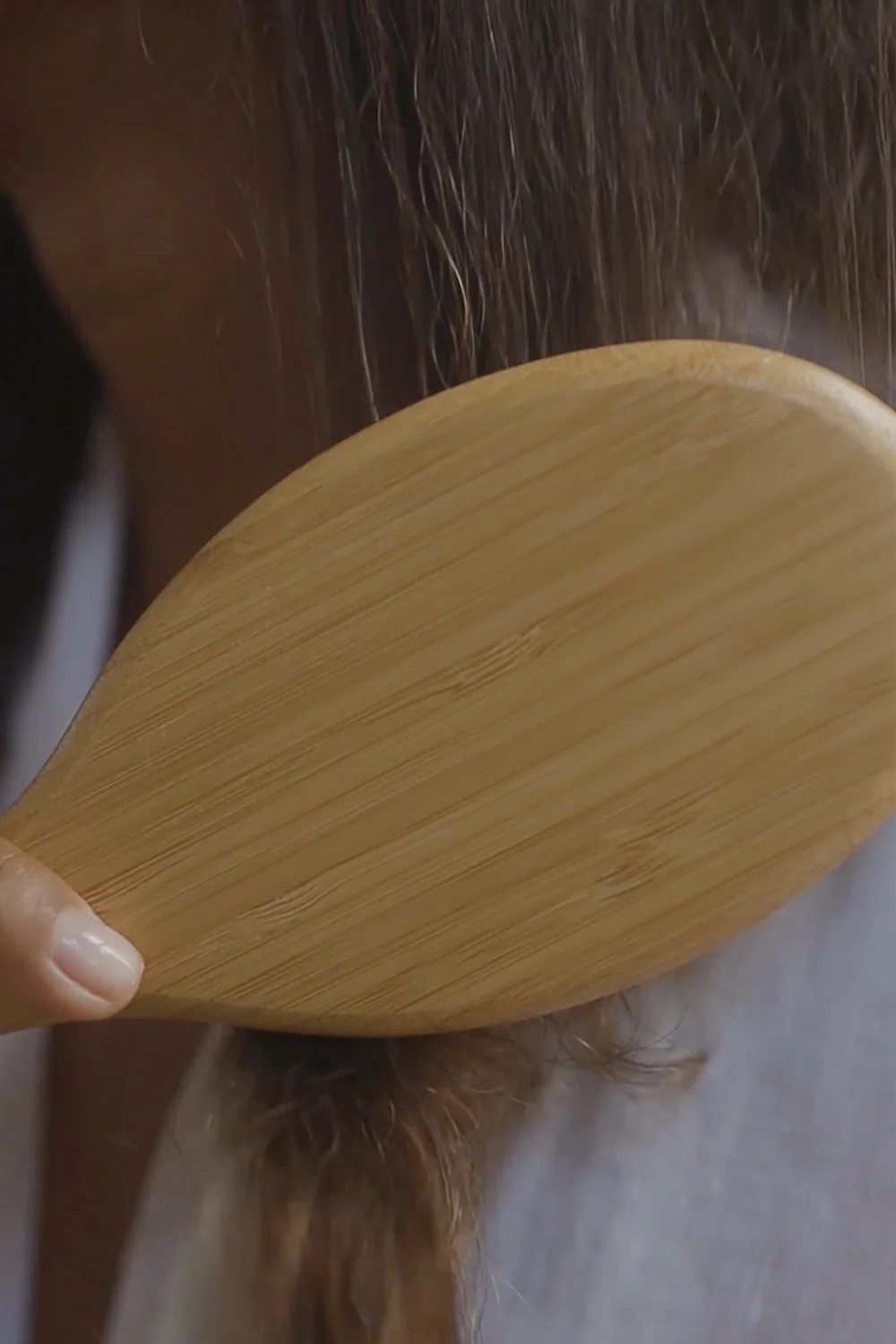
Each wash cycle causes hair to swell as it absorbs water, then contract as it dries. This repeated expansion weakens the cuticle over time. Washing less reduces this mechanical fatigue, preserving hair integrity.
Improved moisture retention
Natural oils travel down the hair shaft, particularly important for mid-lengths and ends. Less frequent washing allows this distribution to occur, improving softness and elasticity without artificial coating.
Scalp-led growth support
Hair growth is influenced by circulation, follicle health, and inflammation levels. By reducing irritation caused by over-cleansing, the scalp is better positioned to support consistent growth cycles, and to prevent what damaged hair really looks like over time.
The Psychological Shift: Reframing Cleanliness
Modern beauty culture often equates daily washing with discipline and control. Yet many of the strongest, healthiest hair types globally — across cultures and climates — are maintained with far less frequent washing.
From habit to intention
Washing less requires a mental recalibration. It invites you to observe:
How your scalp actually feels, rather than how you believe it should feel
How hair behaves when allowed to self-regulate
How fewer interventions often yield more stable results
This shift mirrors broader wellness philosophies, redefining luxury through restraint rather than excess, where restraint leads to resilience.
Minimalist Hair Care Is Not Neglect
A reduced routine does not mean abandoning care. It means choosing formulations that work harder so you do not have to.
The role of formulation qualitY
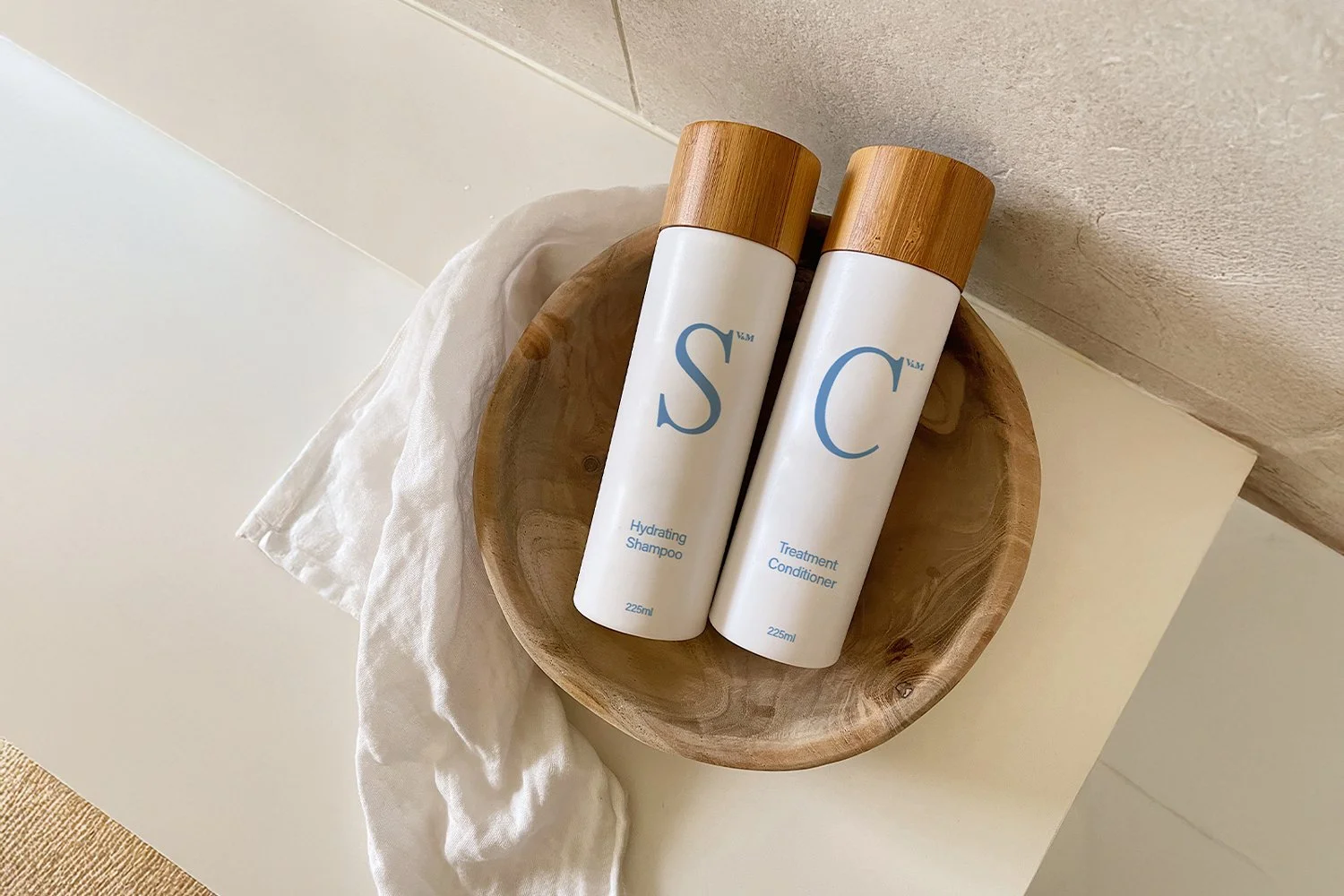
When washing less, the quality of each cleanse becomes paramount. Gentle surfactants, balanced pH levels, and bioactive botanicals support the scalp rather than challenge it, allowing the hair to reset between washes without irritation or buildup.
At V&M SPA, formulations are designed to cleanse thoroughly yet quietly — removing impurities such as environmental residue or chlorine without stripping the scalp. Lightweight options suit fine to medium hair types during the transition phase, while more nourishing formulas maintain hydration and strength without heaviness. The result is hair that remains balanced for longer, reducing the perceived need to wash frequently.
Conditioning as protection, not excess
Conditioner should strengthen and protect, not coat or suffocate. When applied primarily through mid-lengths and ends, it supports the hair fibre without disrupting scalp balance, particularly when using a conditioner that strengthens without excess. Using only what the hair can absorb — and distributing it thoughtfully — reduces excess and improves performance over time.
This approach reflects small, considered gestures in daily care, rather than accumulation. Hair remains lighter, cleaner for longer, and less reliant on frequent washing to feel refreshed.
Australian Botanicals and Scalp Balance
Australia’s native botanicals have evolved under extreme conditions, developing resilience, antimicrobial properties, and adaptive strength.
Kakadu Plum
Naturally rich in vitamin C and antioxidants, Kakadu Plum supports collagen synthesis and protects against oxidative stress, helping maintain scalp integrity.
Kunzea and Lavender
Both botanicals are known for their calming, anti-inflammatory properties. Grown at Bridestowe Estate in Tasmania, they support sensitive scalps without heaviness or irritation.
Green Tea and Olive Leaf
These ingredients help regulate oil production and protect against environmental stressors, making them particularly beneficial when washing less frequently.
Transitioning to Washing Less: A Considered Approach
Reducing wash frequency is not about abrupt change. It is about allowing the scalp time to recalibrate.
Step-by-step adjustment
Gradually extend the time between washes
Use a gentle, balanced shampoo rather than a clarifying formula
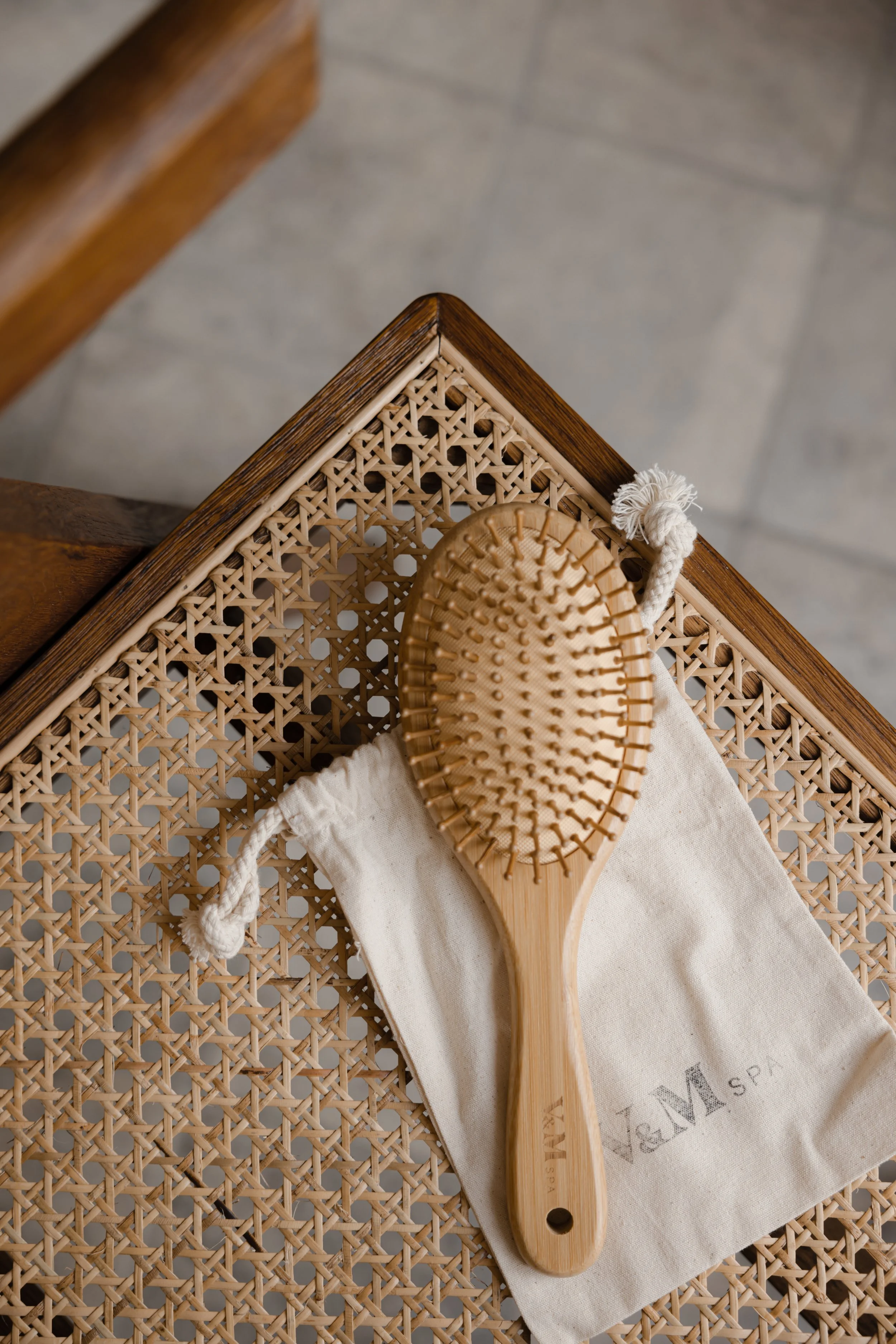
Avoid excessive brushing or heat styling during transition
Focus on scalp massage to encourage circulation
Most scalps require several weeks to stabilise. Patience is essential.
Common misconceptions
“My hair feels oily”: Often a sign of adjustment, not dysfunction
“My scalp feels itchy”: Usually linked to barrier disruption, not dirt
“My hair looks flat”: Volume often returns as oil production normalises
Long-Term Benefits Beyond Hair
Washing less extends beyond hair health. It reshapes the way care fits into daily life — creating space, efficiency, and longevity.
Time reclaimed
Fewer washes mean less time spent cleansing, drying, and styling. Over time, routines become simpler and more intentional, freeing space for care that feels restorative rather than repetitive.
Smarter use of resources
High-performing formulas require less product per wash and remain effective over longer intervals. Investing in quality reduces overuse, minimises waste, and supports routines that last — both on the shelf and in practice.
A slower, more conscious ritual
Care becomes deliberate rather than automatic. Washing is no longer a habit driven by routine, but a choice guided by how the hair and scalp truly feel. In this shift, restraint becomes the most effective form of care.
Hair Care That Improves With Time
At V&M SPA, we believe the most effective care reveals its benefits gradually. Stronger hair, calmer scalps, and sustained balance are not immediate outcomes — they emerge over time, through routines that respect the body rather than challenge it.
Washing less is not a trend, but a quiet return to listening — allowing the scalp and hair to function as intended, without unnecessary interruption.
Care reaches its most refined state when nothing more needs to be added.
Research references
Guidance and research referenced in this article includes publications from the American Academy of Dermatology Association, the British Journal of Dermatology, the International Journal of Trichology, and environmental data from the Environmental Protection Agency.