
The Body Ritual: Applying the Same Intention to Your Skin
The hair ritual often begins as correction. Repairing dryness. Managing imbalance. Restoring what has been overworked by heat, stress, climate, or too many competing products. Over time, however, something quieter happens. Care becomes less reactive. The scalp settles. The routine simplifies.
The same shift rarely happens with body care.
For many people, body care remains functional rather than restorative — a quick cleanse at the beginning or end of the day, exfoliation only when skin feels dry, moisture applied inconsistently and often as response rather than maintenance. While facial skincare and haircare routines have become increasingly considered, the skin across the body is still frequently treated as an afterthought.
Yet the body responds to the same principles as the scalp: balance, gentleness, and consistency. It reacts to harsh cleansing, environmental stress, synthetic fragrance, and the cumulative effect of products designed around intensity rather than integrity.
A considered body ritual does not need to be excessive to be effective. In many ways, the opposite is true. Skin responds best when care becomes steady and uncomplicated — formulations chosen for how they support the body over time rather than how dramatically they promise to transform it overnight.
This is where the ritual extends beyond hair. Not as an additional step, but as a continuation of the same philosophy: care that supports the body quietly and allows consistency to do the work it was always designed to do.
Why body care deserves the same intention as hair care
Most people recognise immediately when their hair no longer feels healthy. Dryness, irritation, heaviness, excess oil production, or breakage are difficult to ignore because they affect appearance so visibly. Body care tends to operate more quietly. Tightness after showering becomes normalised. Dryness builds gradually. Seasonal irritation is often treated as unavoidable rather than as a sign the skin barrier may be under stress.
Part of this comes from the way body care has traditionally been marketed. Cleansing has long been associated with foam, fragrance, and the sensation of removing everything from the skin. In practice, this often leaves sensitive or environmentally stressed skin feeling depleted rather than supported.
Like the scalp, the skin across the body relies on a healthy barrier to retain moisture and maintain balance. When repeatedly disrupted through harsh cleansing or over-exfoliation, the skin often responds with dryness, irritation, or sensitivity.
This is why the principles applied to healthy haircare translate naturally to body care: fewer competing products, gentler formulations, and routines built around consistency rather than correction.
The most restorative body rituals are rarely elaborate. Often, they are simply repeated consistently enough for the skin to settle into balance over time.
Understanding your skin barrier — and why gentle cleansing matters

The skin barrier is frequently discussed in facial skincare, yet the same principles apply across the entire body. The outermost layer of the skin helps retain moisture while protecting against environmental stress, irritation, and water loss. When functioning well, the skin feels balanced and comfortable. When disrupted repeatedly, dryness and sensitivity often follow.
One of the most common causes of barrier disruption is overly aggressive cleansing.
Many conventional body washes rely on harsh surfactants to create a dense foam and the sensation of a “deep” cleanse. While effective at removing oil and impurities, these formulations can also strip the skin’s natural oils, particularly during colder months when moisture loss is already increased.
Gentler cleansing works differently. Rather than removing everything from the skin, it supports the skin’s natural balance while still cleansing thoroughly.
This is where formulation quality becomes important.
Terms such as “naturally derived” and “non-toxic” are used widely within the beauty industry, often without much explanation of what they mean in practice. A naturally derived formulation refers not only to ingredients sourced from nature, but to how those ingredients are processed and balanced within the final product. Non-toxic body care prioritises ingredients considered safe for regular, long-term use without relying on unnecessarily harsh cleansing systems.
For sensitive skin particularly, this distinction matters. Cleansing should leave the skin feeling comfortable and replenished — not tight or overworked.
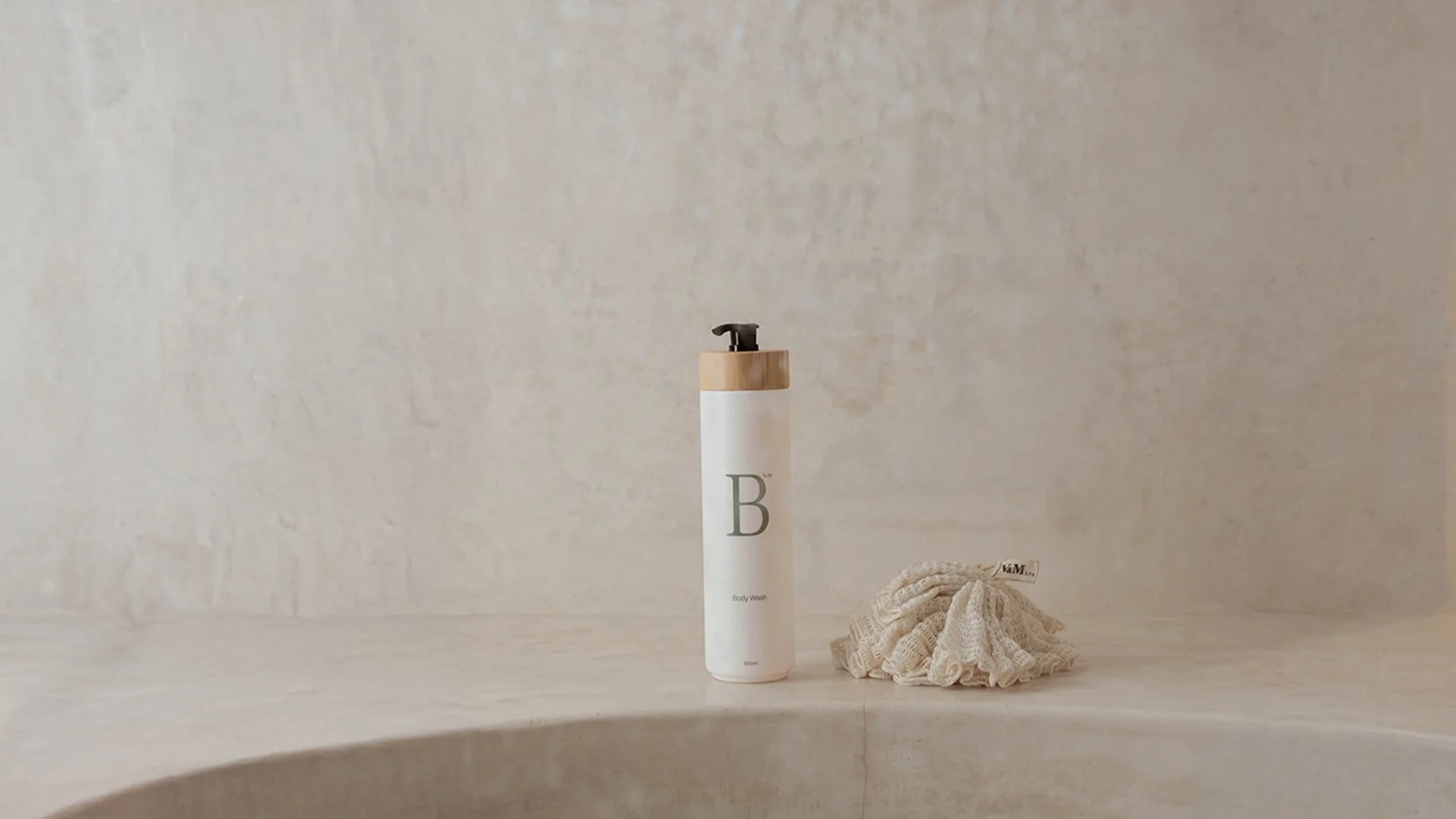
The V&M SPA Body Wash, Australian made and formulated for sensitive skin, was developed around this principle. The formulation combines naturally derived ingredients selected for both their performance on the skin and their role within a daily ritual of care.
Native Australian Kakadu Plum is naturally rich in vitamin C and antioxidants, helping support skin clarity while protecting against environmental stress. Kunzea ambigua, a native Australian botanical traditionally valued for its calming properties, helps soothe and comfort the skin. Tasmanian lavender introduces a softer restorative element, bringing calm to both the skin and the ritual itself.
Together, these ingredients create a balanced cleanse designed to support the skin barrier rather than overwhelm it. During winter particularly, when skin is exposed to cooler air, indoor heating, and lower humidity levels, gentler cleansing can make a significant difference to how the skin feels day to day.
Increasingly, the most effective body rituals are not built around stronger products or more complicated routines. They are built around understanding what the skin needs less of — less friction, less disruption, and less unnecessary stress repeated over time.
The role of exfoliation — how to use a natural loofah without overdoing it
Exfoliation is often approached with unnecessary intensity — stronger scrubs, more friction, more frequent use. Yet skin rarely responds well to excess. In many cases, irritation and dryness are signs the skin has already been overworked.
Used correctly, exfoliation should feel restorative rather than abrasive.
The purpose of exfoliation is to gently remove the buildup of dead skin cells from the surface of the skin, helping improve texture and support smoother, more balanced skin over time. When approached gently and consistently, it can also help body products absorb more effectively.
The method, however, matters as much as the frequency.
Many synthetic loofahs and mesh shower sponges create excessive friction against the skin. Often made from plastic fibres, they can feel overly abrasive, particularly when combined with heavily fragranced body products.
A natural loofah works differently.
The V&M SPA Natural Loofah is woven from natural linen and cotton fibres, creating a gentler texture that supports exfoliation without excessive abrasion. Rather than aggressively polishing the skin, it encourages a softer form of renewal while still respecting the integrity of the skin barrier.
This becomes particularly important during winter or for sensitive skin types already prone to dryness and irritation.
For most skin types, exfoliating one to three times per week is more than sufficient. Gentle pressure, warm water, and consistency over time are far more effective than force.
Within a body ritual, exfoliation is best viewed as maintenance rather than correction — a quieter form of care that supports the skin gradually instead of attempting to transform it instantly.
The bath as restoration — what Lavender Bath Milk does for the body and mind
There are certain forms of care that cannot be rushed.
A warm bath sits naturally within that category. Not as indulgence for its own sake, but as a deliberate slowing of the body — warmth returning to the muscles, breathing becoming steadier, the pace of the day gradually softening.
During winter particularly, this transition becomes more noticeable. Cooler temperatures, dry indoor heating, physical tension, and seasonal fatigue all place additional stress on the body and skin. The ritual of bathing offers something increasingly uncommon within modern routines: uninterrupted restoration.
This is where bath milk differs from traditional bath products.
Many conventional bath soaks focus heavily on fragrance or foam, often leaving the skin feeling dry afterwards. A bath milk is designed instead to soften and support the skin while the body rests within the water itself.
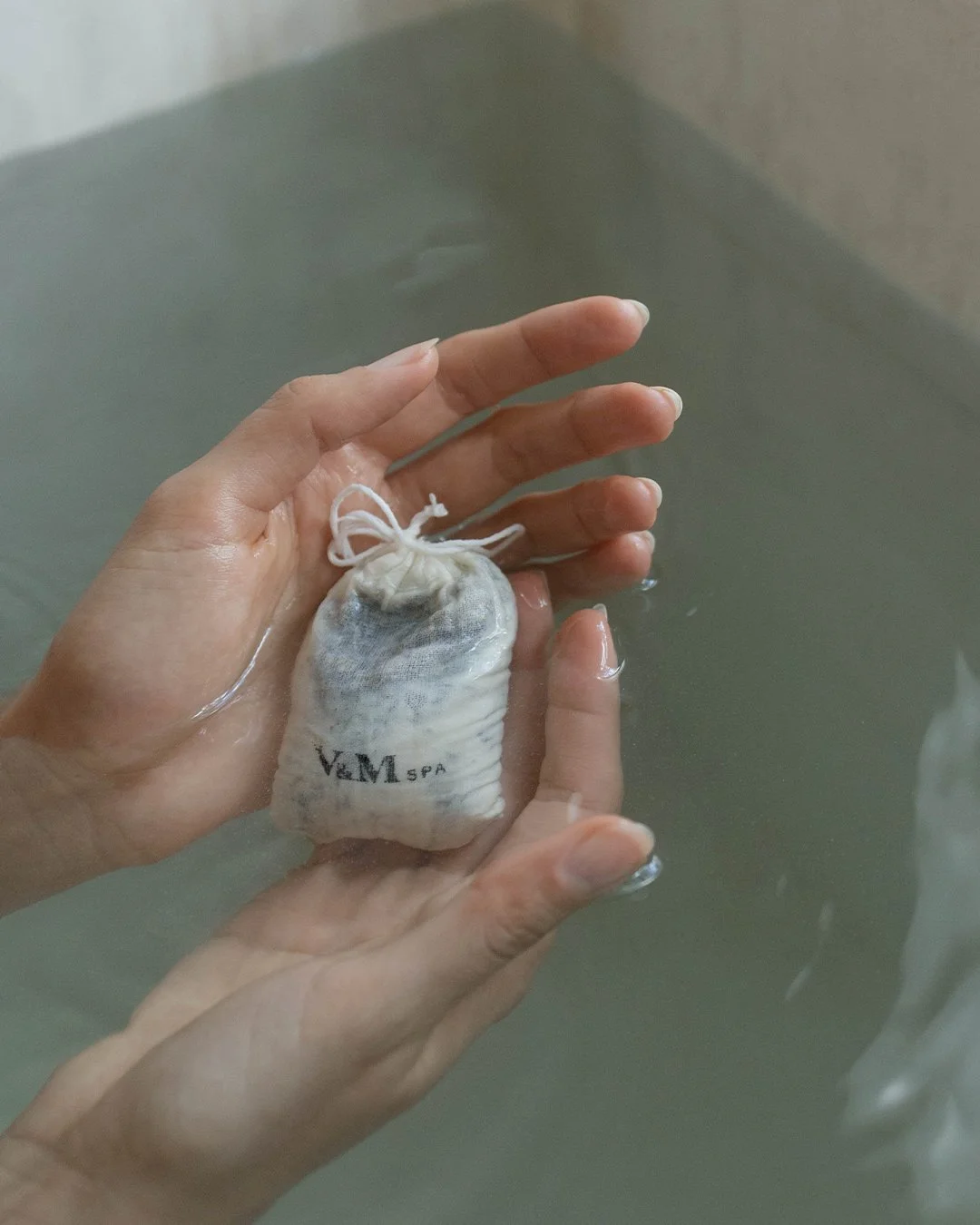
The V&M SPA Lavender Bath Milk was developed around this quieter approach to restoration. The formulation combines magnesium-rich salts, lactic acid, Tasmanian lavender, and naturally derived ingredients selected to support both the skin and the ritual experience more broadly.
Magnesium helps relax tired muscles and release physical tension held throughout the body. Lactic acid gently softens and exfoliates the skin without the harsher effect associated with stronger treatments, leaving the skin feeling smoother and more hydrated afterwards.
Tasmanian lavender introduces a calmer sensory element to the ritual itself, helping create an environment that encourages the body to settle more fully into rest.
The inclusion of organic cotton tea bags also reflects a more thoughtful approach to sensitive skin, allowing the ingredients to disperse gradually through the water while maintaining a gentler bathing experience overall.
Within a complete body ritual, the bath becomes less about occasional indulgence and more about creating space for restoration before depletion fully sets in.
Building a complete body ritual — where to begin
The most effective rituals are rarely the most complicated.
Body care does not need to involve excessive steps to create meaningful change in how the skin feels over time. In many cases, fewer formulations used consistently prove far more sustainable.
A complete body ritual begins with understanding that every step should support the skin rather than compete with it.
For some, this may begin with gentle exfoliation one to three times per week using a natural loofah. Used with warm water and light pressure, exfoliation helps refine skin texture gradually while supporting circulation and removing surface buildup without compromising the skin barrier.
From there, cleansing becomes an extension of the same philosophy. A gentle body wash supports the skin daily without creating unnecessary dryness or tightness afterwards. The V&M SPA Body Wash was designed to leave the skin feeling clean, comfortable, and settled.
When additional restoration is needed, particularly during winter or periods of physical fatigue, the ritual can slow further through bathing. A warm Lavender Bath Milk soak creates space for deeper decompression while supporting tired muscles and softening the skin.
Even smaller details within a ritual contribute to its continuity. Brushing the hair slowly after bathing using the V&M SPA Wooden Hairbrush extends the same philosophy beyond the skin itself — reinforcing the quieter rhythm that sits beneath the entire ritual experience.
Importantly, consistency matters more than intensity.
The skin responds best to routines that feel supportive enough to maintain long term. Instead of constantly introducing stronger products or more complicated systems, the focus shifts towards maintaining balance through repetition, restraint, and formulations designed to work gently alongside the body over time.
For those beginning a body ritual for the first time, simplicity is enough:
gentle exfoliation a few times each week
consistent daily cleansing
deeper restoration when the body asks for rest
Over time, these repeated actions begin to feel less like isolated products and more like continuity — care integrated quietly into daily life rather than performed separately from it.
Explore the V&M SPA body ritual collection to discover formulations designed to support sensitive skin, gentle cleansing, and restorative care through every season.
Hospitality and partnership enquiries
V&M SPA also partners with boutique hotels, wellness spaces, architects, and design-led developments seeking Australian-formulated body and hair rituals aligned with quieter, more considered luxury experiences.
Explore the V&M SPA Partnerships page to learn more about hospitality amenities, developer collaborations, and tailored wellness ritual programs.

Frequently asked questions
What is the best natural body wash for sensitive skin in Australia?
The best body wash for sensitive skin should cleanse gently without disrupting the skin barrier or leaving the skin feeling tight afterwards. The V&M SPA Body Wash combines Kakadu Plum, Kunzea ambigua, and Tasmanian lavender within a naturally derived formulation designed to support balanced, comfortable skin through gentle daily cleansing.
How often should you use a natural loofah?
For most skin types, a natural loofah can be used one to three times per week. Gentle exfoliation helps improve skin texture and remove surface buildup without overworking the skin barrier.
What does Kunzea do for the skin?
Kunzea ambigua is a native Australian botanical traditionally valued for its calming and soothing properties. In body care formulations, it helps support balanced, comfortable skin while contributing to a gentler cleansing experience.
Is Lavender Bath Milk good for sensitive skin?
A well-formulated bath milk can be particularly supportive for sensitive skin because it focuses on softening and replenishing rather than harsh cleansing. The V&M SPA Lavender Bath Milk combines magnesium, lactic acid, Tasmanian lavender, and organic cotton tea bags to create a gentler bathing experience for sensitive and winter-stressed skin.
What is the difference between a natural loofah and a synthetic loofah?
Natural loofahs are typically made from plant, linen, or cotton fibres and provide gentler exfoliation compared with many synthetic mesh loofahs made from plastic materials. Natural fibres offer a softer approach to exfoliation that better supports sensitive and barrier-conscious skin.
What is the best body care routine during winter?
During winter, the skin often benefits from gentler cleansing, reduced exfoliation frequency, and more restorative forms of care. A balanced winter body ritual may include light exfoliation using a natural loofah, daily cleansing with a gentle body wash, and regular bathing with a magnesium-rich bath milk to support warmth, hydration, and muscle relaxation throughout colder months.
Victoria Maude is the founder of V&M SPA. V&M SPA formulations have been developed over eighteen years of research, refinement, and collaboration with Australian ingredient growers.