
The Bath as Restoration: Warmth, Magnesium, and the Art of Slowing Down
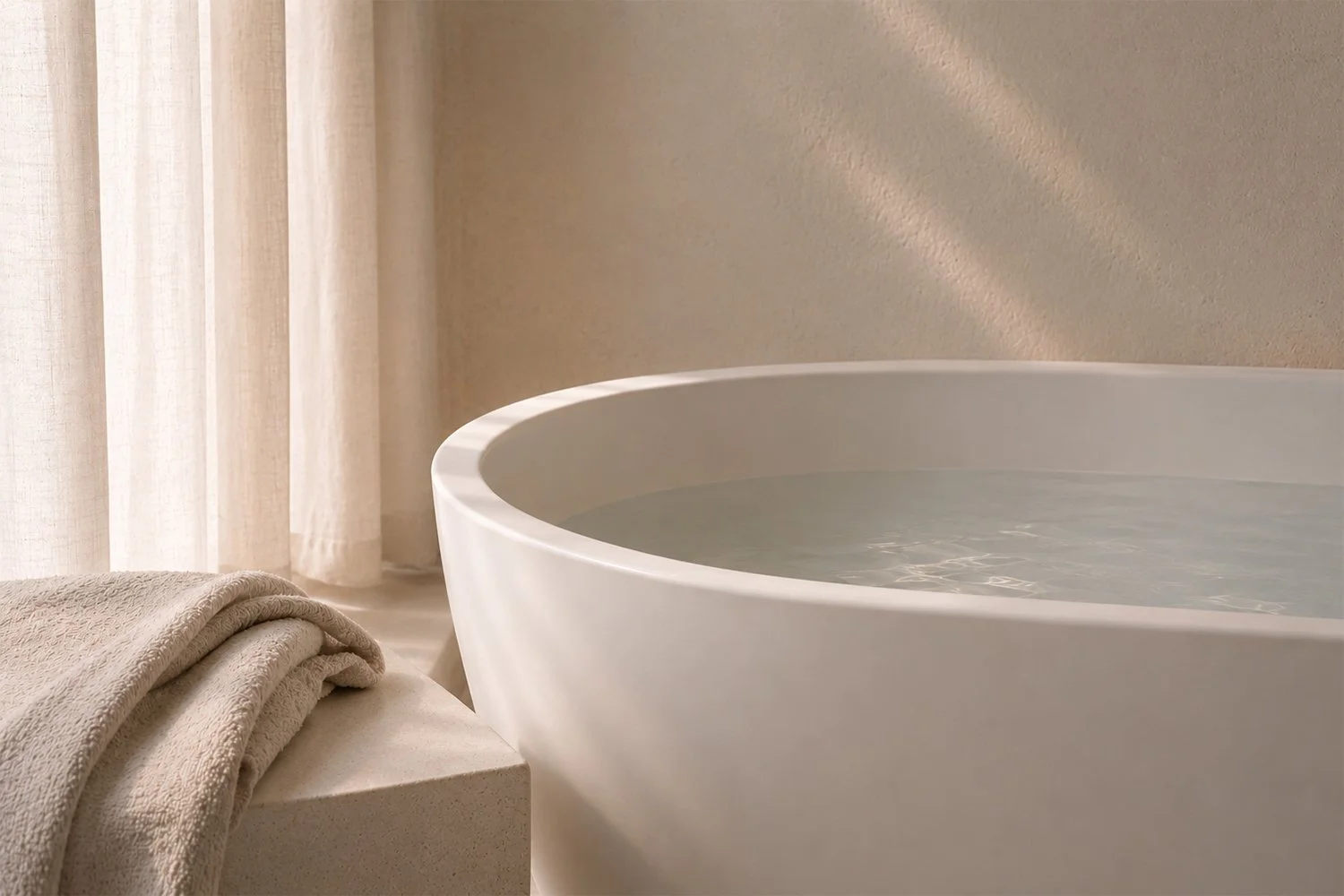
The body ritual begins with a simple idea — that care need not be corrective to be effective. That the skin responds best to consistency, gentleness, and formulations designed to support rather than overwhelm.
Winter invites us to take that philosophy one step further.
As temperatures fall and the pace of the year continues, the body is often asked to carry more than we realise. Muscles tighten. Skin becomes drier. Fatigue settles more heavily. Even moments of rest can begin to feel functional rather than restorative.
It is perhaps no surprise, then, that one of the oldest forms of self-care remains one of the most effective.
The bath asks for something increasingly uncommon in modern life: time. Not productivity, optimisation, or improvement. Simply stillness. A period of warmth, quiet, and uninterrupted care that allows both the body and mind to settle.
Yet bathing has long offered more than comfort alone. Beneath the surface, warmth, minerals, and sensory cues work together in ways that support both the skin and the nervous system. The experience becomes more than cleansing. It becomes a ritual of restoration.
This month, we explore the role of bathing during winter — from the benefits of magnesium-rich soaks and gentle milk baths to the calming influence of Tasmanian lavender and the restorative value of slowing down long enough to receive care.
Why winter asks more of the body
Every season places different demands on the body, but winter often asks for more than it first appears.
Cooler temperatures, reduced daylight, indoor heating, and seasonal fatigue can all influence how we feel physically and emotionally throughout the colder months. Skin is exposed to lower humidity levels and greater moisture loss. Muscles often feel tighter. Energy levels can fluctuate. Many people find themselves carrying a subtle sense of depletion without fully recognising its source.
The skin frequently provides the first signs.
Dryness, tightness, sensitivity, and irritation become more common during winter as the skin barrier works harder to retain moisture and maintain balance. At the same time, the body naturally seeks warmth, comfort, and recovery from the cumulative effects of colder weather.
This is where bathing takes on a different role.
Rather than functioning as a simple act of cleansing, a warm bath becomes a practical response to the season itself — supporting comfort, hydration, and relaxation at a time when the body benefits from all three.
Within a ritual-led approach to care, winter bathing is not about indulgence. It is about responding thoughtfully to what the body needs. This continues the approach explored in the body ritual — supporting the skin and body through consistency rather than correction
Warm water encourages the body to soften and unwind. A slower pace creates space for recovery. Ingredients chosen for both skin and sensory wellbeing help transform a routine task into something more restorative.
Perhaps this is why bathing continues to endure across cultures and generations. Not because it is luxurious, but because it answers a fundamental human need for warmth, stillness, and restoration — particularly when the season asks more of us than usual.
What magnesium does for the body during a bath
Magnesium has long been associated with rest, recovery, and physical relaxation. While often discussed in relation to nutrition and supplementation, it has also been used for generations within bathing rituals designed to support comfort and restoration.
Part of its enduring appeal lies in the experience itself.
A warm magnesium bath combines several restorative elements at once: warmth, stillness, hydration, and time away from external demands. Together, these factors create an environment that encourages the body to soften and unwind.
Research into the absorption of magnesium through the skin continues to evolve, and there remains ongoing discussion within the scientific community regarding the extent to which magnesium is absorbed during bathing. What is more widely recognised, however, is the role magnesium-rich bathing rituals can play in supporting relaxation, muscle comfort, and a broader sense of physical wellbeing.
This distinction is important.
The value of a magnesium bath is not necessarily found in a single ingredient alone, but in the way warmth, minerals, and ritual work together to create a restorative experience. The body is given permission to pause. Muscles release tension. Breathing slows. The pace of the day begins to soften.
During winter, this can feel particularly beneficial.
Cooler temperatures often leave the body feeling tighter and more fatigued. Physical tension accumulates more easily, while opportunities for genuine rest can become increasingly limited. A warm magnesium bath offers a simple way to create space for recovery before that tension becomes exhaustion.
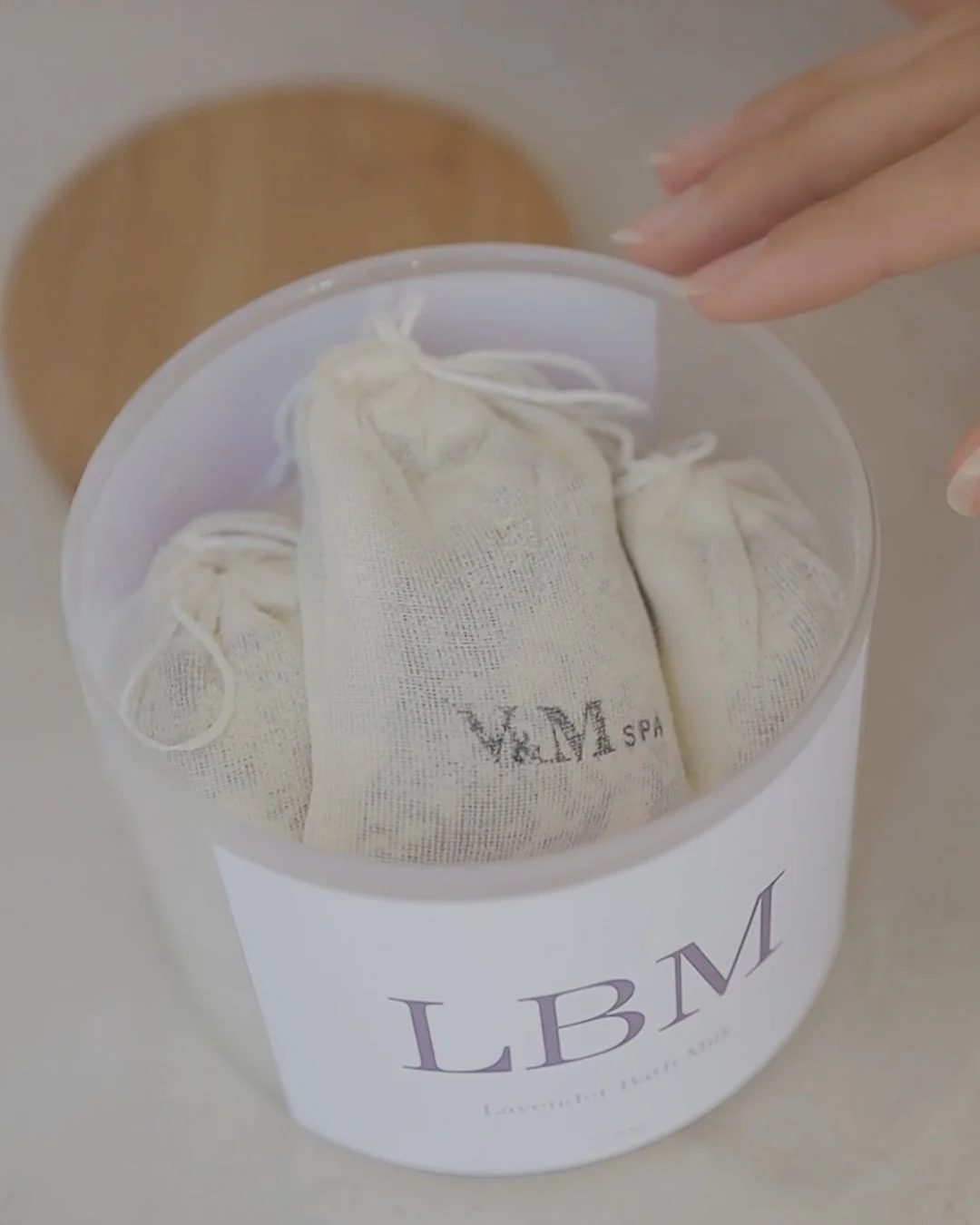
The V&M SPA Lavender Bath Milk, Australian made and formulated for sensitive skin, incorporates magnesium-rich salts within a formulation designed to support both the skin and the ritual experience more broadly. Rather than approaching bathing as a functional task, it encourages a slower form of care — one that allows the body to transition gradually from activity into rest.
Perhaps this is why bathing rituals continue to endure despite increasingly busy lives. They ask very little of us beyond presence. A bath cannot be hurried. It cannot be optimised. For a short period of time, the body is simply allowed to be warm, still, and supported.
In that sense, the restorative value of magnesium bathing may be as much about the ritual itself as the ingredients it contains.
The skin benefits of a milk bath — lactic acid and gentle exfoliation
While much of the conversation around bathing focuses on relaxation, the skin benefits can be equally significant — particularly during winter, when dryness, sensitivity, and moisture loss become more common.
The skin barrier works continuously to retain hydration and protect against environmental stress. During the colder months, however, lower humidity, indoor heating, and frequent temperature changes can place additional demands on that protective layer. Skin may begin to feel tighter, rougher, or less comfortable than usual.
This is where a milk bath offers something different from many traditional bath products.
Rather than focusing solely on fragrance or foam, a milk bath is designed to support the skin while the body rests. The experience becomes less about cleansing and more about replenishment.
Within the V&M SPA Lavender Bath Milk, lactic acid plays an important role in this process.
Naturally occurring and widely used within skincare, lactic acid belongs to a family of ingredients known as alpha hydroxy acids. Unlike stronger exfoliating treatments that can sometimes leave the skin feeling sensitised, lactic acid works more gently — helping loosen the buildup of dead skin cells from the surface of the skin while supporting hydration at the same time.
The result is not dramatic transformation, but gradual refinement.
Skin often feels softer, smoother, and more comfortable after bathing, without the tightness that can accompany harsher exfoliation methods. This gentler approach aligns closely with the philosophy explored throughout the V&M SPA Journal: supporting the skin consistently rather than pushing it beyond what it needs.
For sensitive skin particularly, this distinction matters.
The goal is not to accelerate renewal as quickly as possible, but to maintain balance over time. Gentle exfoliation allows the skin to shed surface buildup while preserving the integrity of the skin barrier itself.
When combined with warm water, magnesium-rich salts, and the calming influence of Tasmanian lavender, a milk bath becomes more than a bathing product. It becomes a restorative environment for the skin — one that supports softness, comfort, and hydration during the season that often asks the most of it.
In many ways, the most effective winter skincare is not found in doing more. It is found in creating the conditions that allow the skin to function well on its own.
Tasmanian Lavender and the nervous system
Long before lavender became associated with wellness rituals, it was valued for something far simpler: its ability to create a sense of calm.
Across cultures and generations, lavender has been used within bathing, sleep, and relaxation rituals as a way of marking the transition from activity into rest. While modern life has changed dramatically, the body's response to sensory cues remains remarkably consistent.
Scent is one of the most immediate ways we experience the world around us.
Unlike many other senses, scent is closely connected to areas of the brain associated with memory, emotion, and behaviour. Certain aromas can feel energising and stimulating, while others encourage a slower, more settled state. This is one reason scent often becomes such a powerful part of ritual itself.
Tasmanian lavender contributes more than fragrance to the bathing experience.
Its soft botanical profile helps create an environment that feels quieter and more restorative. The scent becomes a signal — not to perform, achieve, or remain alert, but to gradually release the demands of the day.
This shift is particularly valuable during winter.
As daylight shortens and routines move increasingly indoors, many people find it difficult to create a clear distinction between activity and rest. Work extends into the evening. Screens remain present until bedtime. Moments of genuine transition become less common.
A bathing ritual offers an opportunity to restore that transition intentionally.
Warm water slows the pace of the body. Magnesium-rich salts support physical comfort. Lavender introduces a sensory cue that encourages the mind to follow.
Together, these elements create a ritual that supports the broader experience of unwinding. Not because lavender alone changes how we feel, but because scent works alongside warmth, stillness, and repetition to create an environment where relaxation becomes more accessible.
This is often what makes rituals effective.
The body learns through repetition. Certain actions, environments, and sensory experiences become associated with rest over time. A warm bath, familiar fragrance, softer lighting, and a quieter pace gradually form a pattern the body begins to recognise.
Perhaps this is why some of the most restorative rituals remain remarkably simple. They do not ask us to become different versions of ourselves. They simply create the conditions that allow us to return to a more settled state.
Within the Lavender Bath Milk, Tasmanian lavender becomes part of that experience — not as a statement ingredient, but as one element within a broader ritual of warmth, stillness, and restoration.
Building a winter bathing ritual
The most restorative rituals are often the simplest.
A winter bathing ritual does not need to be elaborate to be effective. In many cases, its value comes from creating a consistent moment of transition — a pause between the demands of the day and the rest that follows. The ritual begins with preparation.
Warm the space if possible. Lower the lighting. Create an environment that feels quieter than the one you are stepping away from. These small adjustments help signal that the pace is changing before you even enter the water.
Water temperature matters as well.
A bath should feel comfortably warm rather than excessively hot. Water that is too hot can leave the skin feeling dry or uncomfortable afterwards, particularly during winter when the skin barrier is already working harder to retain moisture. A gentler temperature allows the experience to remain restorative while supporting the skin itself.
For many people, evening is the most natural time for bathing.
The transition from activity into rest mirrors the purpose of the ritual itself. As the day slows, warmth, stillness, and familiar sensory cues help create a clearer separation between what has already happened and what no longer requires attention until tomorrow.
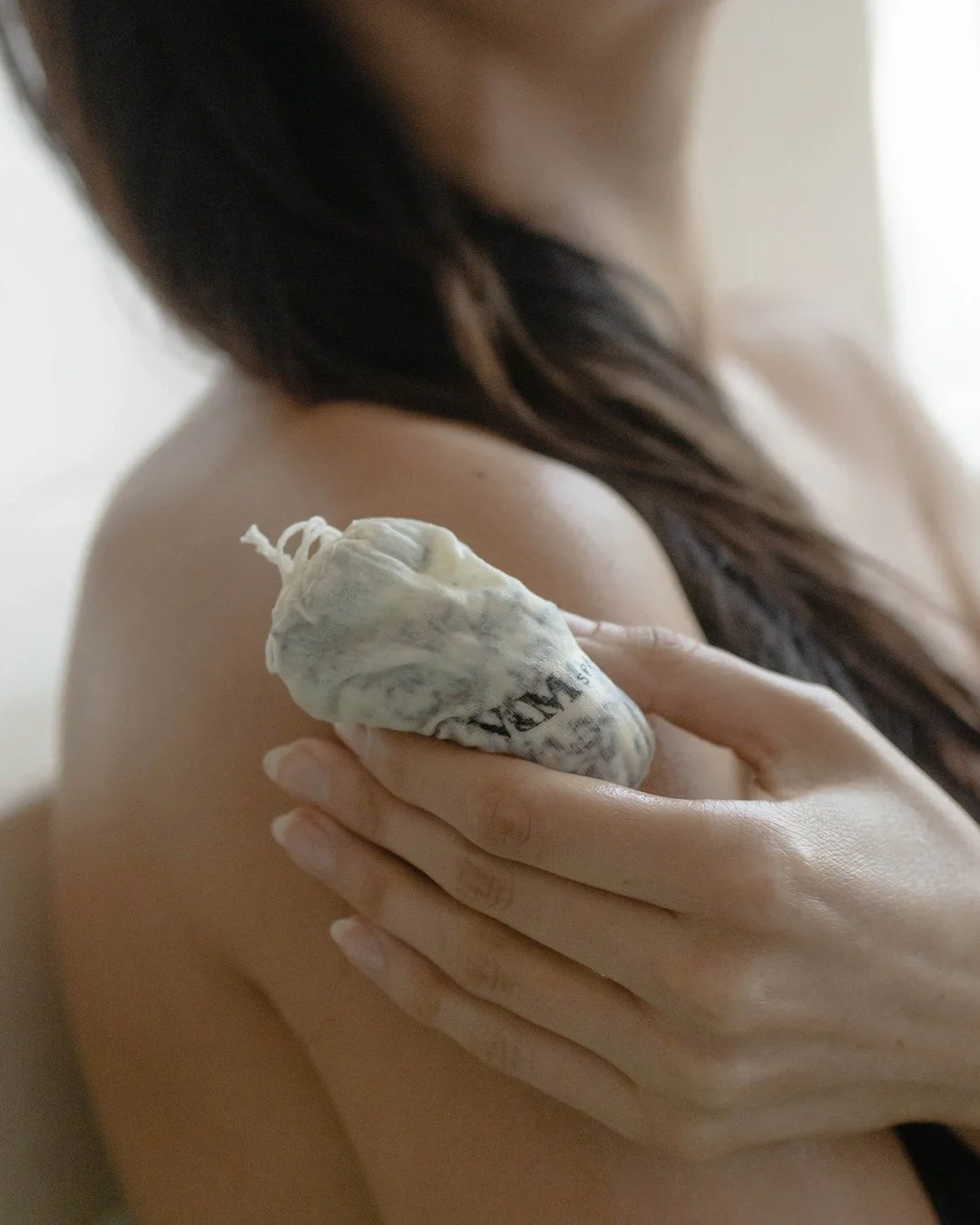
The V&M SPA Lavender Bath Milk is designed to support this experience. The organic cotton tea bags allow the ingredients to disperse gradually through the water while creating a gentler bathing experience for sensitive skin. Simply place one or two tea bags into the bath and allow the warmth of the water to release the minerals and botanicals throughout the soak.
The ritual does not need to end when the bath does.
On the days hair washing is part of the ritual, Balancing Shampoo can support scalp comfort at a time of year when dryness and environmental stress are often more noticeable. Gentle cleansing allows the scalp and hair to remain aligned with the same philosophy being applied to the skin.
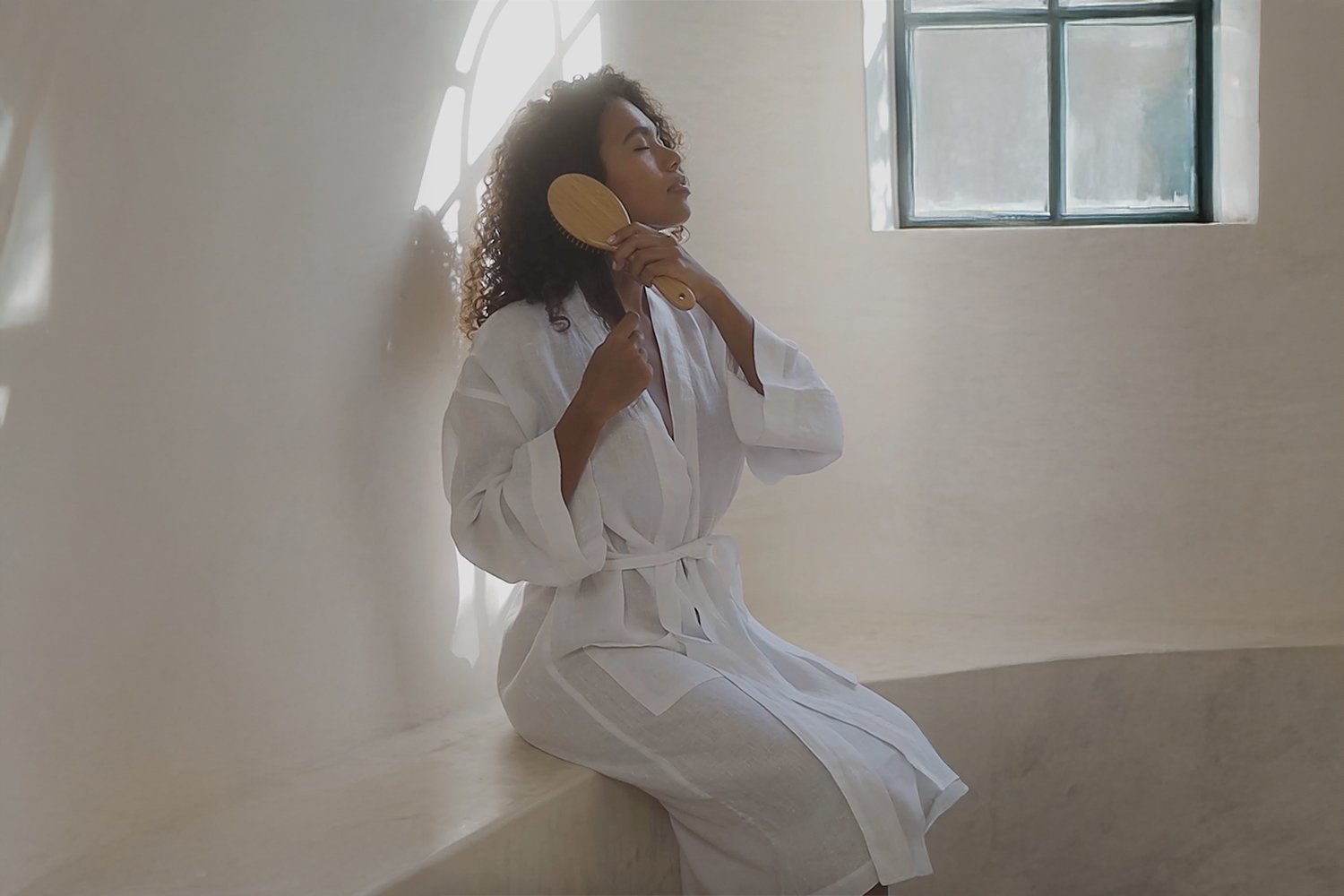
After bathing, slowly brushing the hair using the V&M SPA Wooden Hairbrush can become a final gesture of care. Unhurried and repetitive, it extends the rhythm of the ritual beyond the bath itself and creates a quieter transition into the remainder of the evening.
This is often where the value of ritual is found.
Not in any individual product, but in the continuity that exists between them. One action leading naturally to the next. Care becoming less about correction and more about creating conditions that support comfort, balance, and restoration over time.
In winter particularly, these moments matter. Not because they are extraordinary, but because they provide something increasingly difficult to find elsewhere: warmth, stillness, and time.
Closing reflection
The bath is one of the few remaining rituals that asks for nothing except time.
There is no outcome to achieve, no performance to improve, and no urgency to carry into the water. Only warmth, stillness, and the opportunity to pause long enough for the body to soften and settle.
In winter particularly, this matters.
As the season asks more of us physically and emotionally, restoration becomes less about indulgence and more about responding thoughtfully to what the body genuinely needs. A warm bath, familiar scent, and a quieter pace may seem simple, yet they remain among the most enduring forms of care we have.
Perhaps this is why bathing rituals continue to endure. Not because they promise transformation, but because they offer something increasingly rare: the chance to do nothing for a little while, and discover that sometimes this is exactly what restoration requires.
Hospitality and partnership enquiries
V&M SPA also partners with boutique hotels, wellness spaces, architects, and design-led developments seeking Australian-formulated body and hair rituals aligned with quieter, more considered luxury experiences.
Explore the V&M SPA Partnerships page to learn more about hospitality amenities, developer collaborations, and tailored wellness ritual programs.
Frequently asked questions
What does magnesium do when added to a bath?
Magnesium-rich bath salts have long been used within restorative bathing rituals designed to support relaxation and physical comfort. While research into magnesium absorption through the skin continues to evolve, warm magnesium baths remain widely valued for helping create an environment that encourages the body to unwind and release tension.
How often should you take a magnesium bath?
For most people, a magnesium bath can be enjoyed two to three times per week as part of a regular self-care routine. During periods of increased physical tension, seasonal fatigue, or colder weather, some may choose to bathe more frequently depending on their individual preferences and needs.
Is bathing good for the nervous system?
Bathing can support relaxation by combining several restorative elements at once: warmth, stillness, sensory comfort, and time away from external demands. Together, these factors may help encourage a calmer state and create a clearer transition between activity and rest.
Why do baths feel relaxing?
Part of a bath's restorative quality comes from the combination of warm water, reduced stimulation, familiar sensory cues, and uninterrupted time. These elements work together to create an environment that allows both the body and mind to slow down.
What is the difference between a bath soak and a bath milk?
Traditional bath soaks often focus primarily on minerals, salts, or fragrance. A bath milk is designed to support the skin more directly, combining ingredients that help soften, comfort, and gently care for the skin while bathing. The experience tends to feel more nourishing and restorative overall.
Can you use bath milk if you have sensitive skin?
A well-formulated bath milk can be particularly suitable for sensitive skin because it focuses on gentle support rather than intensive cleansing. The V&M SPA Lavender Bath Milk incorporates organic cotton tea bags and carefully selected ingredients designed to create a softer bathing experience.
Victoria Maude is the founder of V&M SPA. V&M SPA formulations have been developed over eighteen years of research, refinement, and collaboration with Australian ingredient growers.